
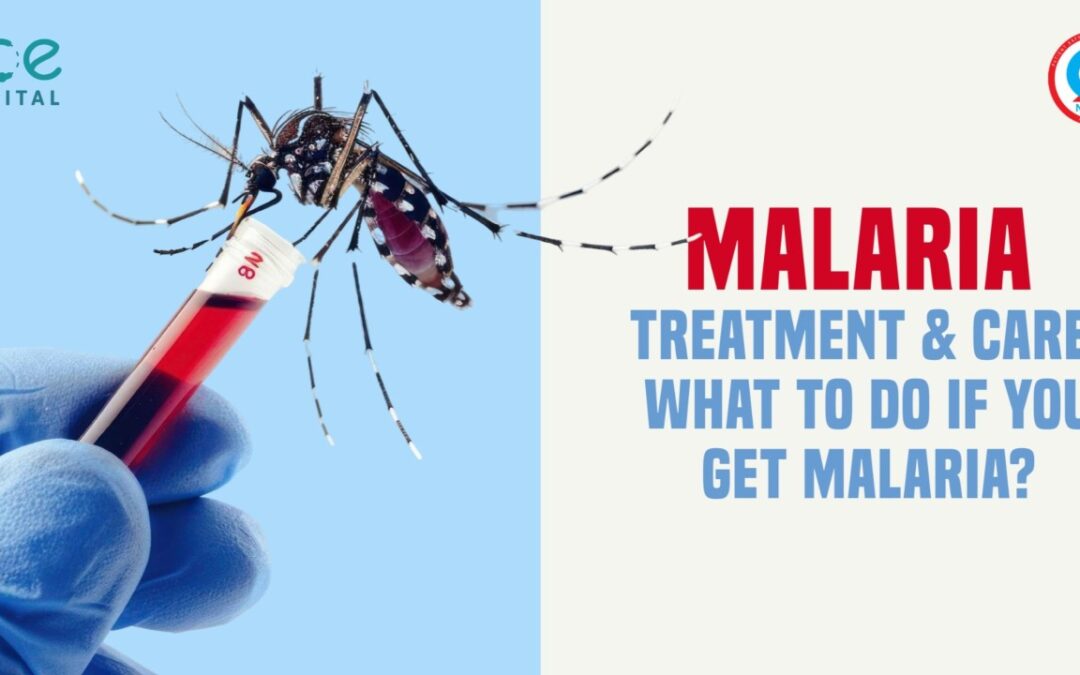
Malaria is a serious mosquito-borne disease caused by Plasmodium parasites, transmitted through the bite of infected female Anopheles mosquitoes. In India, especially during monsoon and post-summer months, cases tend to rise due to increased mosquito breeding.
While malaria is completely treatable, delayed action can lead to complications affecting the brain, lungs, kidneys, and overall immunity.
It is a serious mosquito-borne infection that continues to affect thousands of people every year, especially during monsoon and post-summer seasons in India. While it may initially feel like a common fever, malaria can quickly turn severe if not treated on time.
At Ace Hospital, we emphasize early diagnosis, accurate treatment, and complete recovery care to ensure patients heal safely without complications.
What Causes Malaria?
Malaria is caused by Plasmodium parasites transmitted through the bite of infected female Anopheles mosquitoes.
Once inside the body, the parasite:
- Travels to the liver
- Multiplies rapidly
- Infects red blood cells
This cycle leads to the classic symptoms of fever, chills, and sweating.
Malaria Symptoms: When to Be Alert?
Symptoms usually appear 10–15 days after infection and are often mistaken for viral fever.
Common symptoms include:
· High fever with chills and shivering
· Sweating after fever episodes
· Severe headache and body pain
· Weakness and fatigue
· Nausea or vomiting
A key sign of malaria is fever in cycles (every 24–48 hours).
Diagnosis: Why Early Testing Matters?
Malaria cannot be confirmed without a blood test.
Diagnostic methods:
- Peripheral blood smear
- Rapid diagnostic test (RDT)
Why early diagnosis is important:
- Identifies the type of malaria parasite
- Enables targeted treatment
- Prevents complications
It is recommended to get tested within 24 hours of symptoms.
Malaria Treatment: What You Must Do?
Malaria treatment depends on the severity and type of infection.
Treatment guidelines:
- Take doctor-prescribed antimalarial medicines
- Follow dosage and timing strictly
- Complete the full course of treatment
Avoid self-medication or stopping medicines early, as this can lead to:
- Recurrence of infection
- Drug resistance
- Severe complications
At Ace Hospital, treatment protocols follow latest clinical guidelines for safe recovery.
Home Care & Recovery Tips
Recovery from malaria requires both medication and supportive care.
Follow these tips:
- Stay well hydrated (water, ORS, coconut water)
- Eat light, nutritious meals (khichdi, soups, fruits)
- Take adequate rest and sleep
These steps help your body regain strength faster.
When to Seek Emergency Care?
Malaria can become life-threatening if ignored.
Seek immediate medical help if you notice:
- Persistent vomiting
- Very high fever not reducing
- Confusion or drowsiness
- Difficulty breathing
- Reduced urine output
At Ace Hospital, emergency care ensures rapid intervention and monitoring.
How to Prevent Malaria?
Prevention is the most effective way to stay safe.
- Use mosquito repellents and nets
- Avoid stagnant water around your home
- Wear full-sleeve clothing, especially at night
- Install window and door mesh
Why Choose Ace Hospital for Malaria Care?
- Experienced medical team
- Accurate and quick diagnosis
- Personalized treatment plans
- Emergency care support
- Focus on complete recovery
Conclusion
Malaria is treatable—but only if you act early. Ignoring symptoms or delaying treatment can increase the risk of complications.
Final Takeaway:
If you notice fever with chills, don’t ignore it—get tested, start treatment, and recover safely with expert care at Ace Hospital.
Experiencing fever or malaria symptoms? Visit Ace Hospital today for expert diagnosis and treatment.